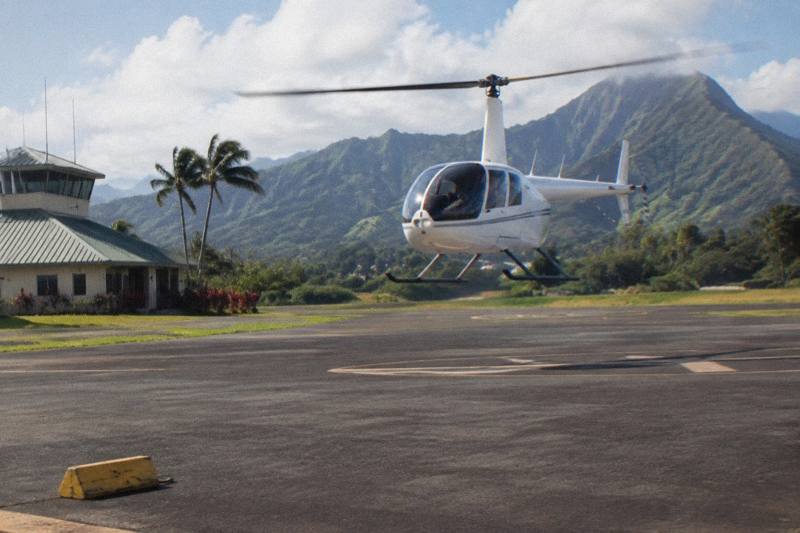
Is A Helicopter Ride Safer Than A Car Ride?
A qualitative look at helicopter tour risk versus driving on Kauai: what FAA rules require on every flight, what the documented record shows, and what any reader can check before booking.
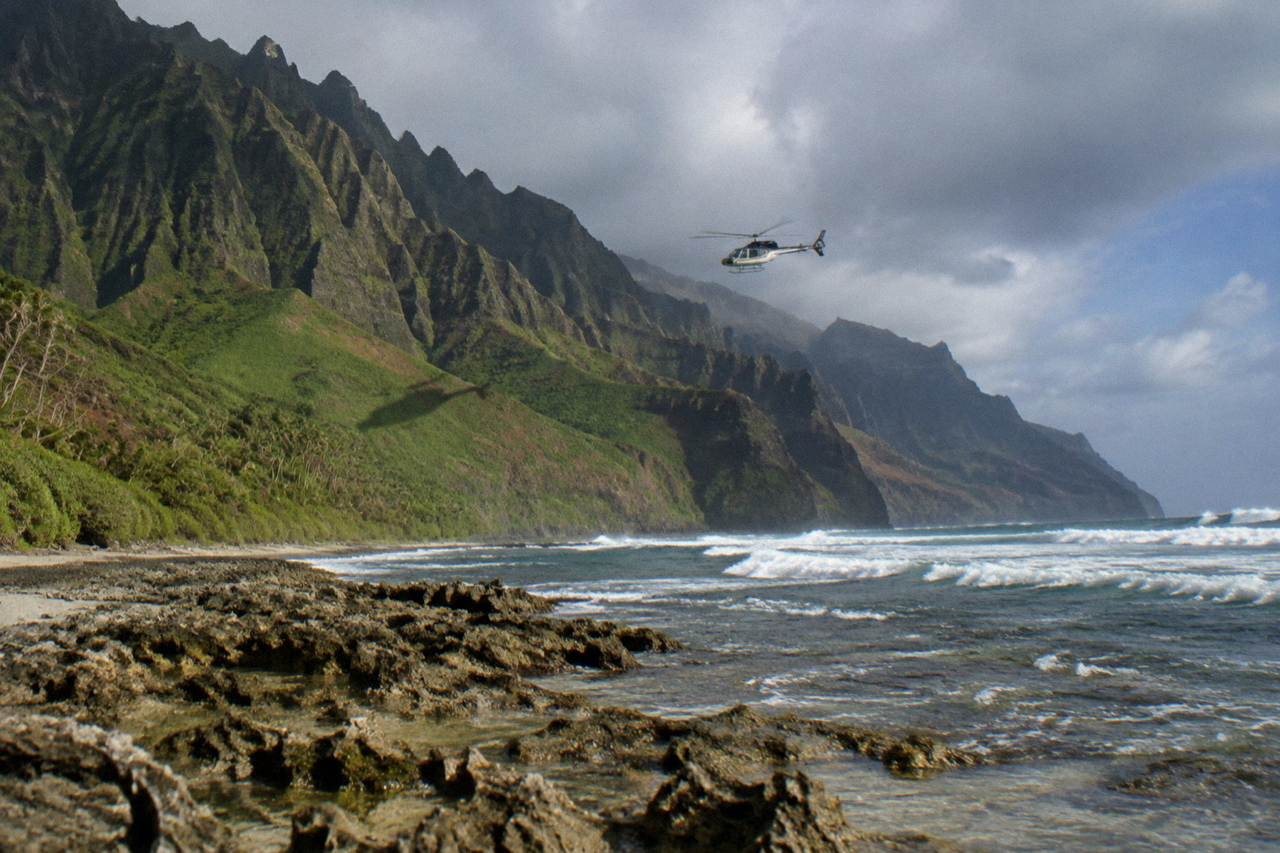
Is A Helicopter Ride Safer Than A Car Ride?
No single number settles this comparison, and the honest answer is that the two risks differ in kind rather than size. A Kauai air tour is a short, heavily regulated, weather-dependent flight flown by a professional pilot under a maintenance regime a rental car never has, while driving is a longer, familiar activity whose risk accumulates mile by mile. The useful question is what each risk consists of and what you control in each case.
Most people asking this question are really asking something narrower: they are comfortable in cars because cars are familiar, and they are nervous about helicopters because helicopters are unfamiliar. That asymmetry of familiarity is not a safety fact, but it shapes almost every conversation about tour flights on Kauai. The comparison that follows stays qualitative on purpose. A number half-remembered from an article or a forum thread is worse than no number at all, and the documented record on this island is specific enough to discuss on its own terms. If you want to see that record for yourself, the Kauai helicopter crash history walks through what the official investigations actually found.
Consider first what a Kauai helicopter tour actually is: a 45 to 90 minute flight, usually in a small single-engine turbine helicopter, flown by a commercial pilot operating under federal aviation rules that require a written performance plan before every flight, passenger weigh-ins, flotation equipment for over-water segments, and a pre-flight ditching briefing. A car trip to the same viewpoints involves none of that. It involves you, a steering wheel, and whatever the road and the weather are doing that day.
That contrast is the heart of the matter, and it cuts in both directions. The flight is wrapped in regulation, training and equipment that driving never has. The drive is wrapped in your own control, your own pace and your own ability to stop, which a helicopter passenger does not have. Neither wrapping makes the activity safe; they just distribute the risk differently. The rest of this article unpacks that distribution, reports the two documented Kauai incidents honestly, and gives you a concrete checklist of things you can verify on any operator's page before you hand over money.
If you are weighing a first flight, the three listings below are the doors-on shared tours most often compared for exactly this decision, all flown from the Lihue area with free cancellation up to 24 hours before the start time.
What Actually Makes The Two Risks Different
Driving risk is spread thin and constant: many small decisions over many hours, where a single mistake is usually survivable and the driver controls the pace. Air tour risk is concentrated and bounded: one professionally flown flight of under two hours, where the passenger controls almost nothing but the operator's preparation matters enormously. Neither profile is objectively milder; they fail in different ways, and knowing that helps more than any league table.
A car trip on Kauai is a chain of ordinary decisions. How fast, when to pass, whether that cloud ahead means rain, whether to stop for the view. Each decision carries a small amount of risk and most trips absorb hundreds of them without incident. The driver can pull over, turn back, slow down or wait out a shower. That flexibility is the psychological comfort of cars, and it is real, though it also means the whole system depends on the attention of one tired person at the wheel.
A helicopter tour removes nearly all of that from the passenger's hands and replaces it with someone else's profession. The pilot flies this route, in this aircraft, in this weather system, as a job. The operator maintains the machine under federal air-carrier rules, weighs every passenger for balance, files a performance plan before each flight, and can cancel for weather without argument. The passenger's entire contribution to safety is choosing a solid operator and showing up on time. In a car, safety is distributed across everything you do. In a tour helicopter, it is concentrated in who you booked with. Before you commit to an operator, our guide to the disadvantages of a helicopter tour walks through the cost, weight rules, and weather cancellations you should weigh first.
That is why this site keeps repeating one piece of advice: the operator matters more than the aircraft type, more than the price, more than doors on or off. A well-run company with clear weather-cancellation policies, published weight rules and a long local record is doing the work that a careful driver does instinctively. The sections below, especially the safety guide on Kauai helicopter operators and their records, go deeper on how to read an operator's page.
What FAA Rules Cover On Every Kauai Air Tour
Every Kauai air tour operates under 14 CFR Part 136 Subpart D, Hawaii-only federal rules layered on top of the Part 135 certification most operators hold, mandating a 1,500 foot minimum altitude, flotation gear for over-water flight, a written performance plan before each flight, a passenger ditching briefing, stricter maintenance and pilot-rest rules, and a weigh-in at check-in.
The Hawaii-specific layer is worth knowing in outline, because it is the single biggest structural difference between the two activities. Under 14 CFR 136.75, no air tour in Hawaii may fly below 1,500 feet above the surface, with narrow exceptions for takeoff, landing, air traffic clearance or explicit FAA authorization. A single-engine helicopter may not fly beyond the shore of any island unless it is amphibious or carries adequate flotation gear, and every passenger must be briefed before takeoff on water ditching, flotation use and emergency egress for any over-water segment. Before every single flight, the pilot must complete a performance plan covering weight, center of gravity and hover limits from the flight manual.
Underneath that sits Part 135, the federal air-carrier certificate held by most Kauai tour operators, which imposes maintenance programs, pilot rest requirements and drug testing that private flying does not have. The FAA has publicly outlined its Hawaii air tour safety work, including the authorization framework that lets operators descend below 1,500 feet only to stay clear of unexpected cloud, on its official statement page. No comparable federal regime governs your rental car.
| Requirement | Kauai Air Tour | Drive To A Viewpoint |
|---|---|---|
| Minimum altitude rule | 1,500 ft above surface, per Part 136 | None |
| Pre-flight performance plan | Required before every flight | Not applicable |
| Passenger weigh-in | Required at check-in for weight and balance | Not applicable |
| Flotation gear | Required for segments beyond the shore | Not applicable |
| Ditching briefing | Required before over-water segments | Not applicable |
| Operator certification | FAA Part 135 for most operators | Driver license only |
| Weather cancellation policy | Operator cancels, reschedules or refunds | Personal judgment |
None of this makes a flight risk-free, and it should not be read as a promise that any flight will run. What it does mean is that a large amount of the safety work on a tour flight is done by regulation and by professionals before the passenger ever boards, in a way that simply has no equivalent on a road trip.
The Two Documented Kauai Incidents, Reported Plainly
The documented record shows two Kauai tour helicopter incidents: an 11 July 2024 Robinson R44 crash off the Na Pali Coast, where the NTSB's final report attributed the accident to mast bumping caused by high winds and downdrafts, and a 26 March 2026 Hughes 369D air tour crash off Kalalau Beach near Haena with three fatalities; the NTSB's preliminary report noted pilot-reported vibration followed by a spin, and that investigation remains open.
These two events are the reason a nervous reader is asking this question at all, so they deserve an honest paragraph each. The 2024 incident involved an Aloha Helicopter Tours Robinson R44 Raven II. The NTSB's final report determined that mast bumping, a rotor condition associated with turbulence, caused an in-flight breakup, and it attributed the encounter to high winds and downdrafts. That finding matters for the comparison because it points at weather, not at the fundamental airworthiness of tour helicopters, and weather is the one input an operator can and does cancel for.
The 2026 incident involved a Hughes 369D operated by Airborne Aviation on a doors-off air tour near Haena. The NTSB preliminary report noted that the pilot reported high-frequency vibration escalating in waves, followed by a spin before water impact. Three people died. A wrongful-death suit was filed in August 2026, and reports said the operator had closed by early August 2026. The investigation is open, and this site will not speculate about cause beyond what the NTSB text states. A deeper discussion of how to read these events, without statistics and without false reassurance, sits in the companion piece on how risky a helicopter tour really is.
What the two incidents share is uncomfortable but instructive: both involved weather-adjacent conditions on a coast known for wind, and both involved small single-engine aircraft. Neither supports a claim that helicopters are safer or less safe than cars, and this site makes no such claim. What they do support is the practical advice that runs through every section here: book an operator with a clear weather-cancellation policy, and take that policy seriously rather than hoping a marginal flight goes ahead.
What You Can Check Before You Book
A passenger cannot inspect a rotor system, but five things are fully checkable from a booking page before any money changes hands: the operator's certification and local history, the aircraft type, the published weather-cancellation policy, the weight and seat rules, and the harness and age rules on doors-off listings. These are the levers a reader actually controls, and they matter more than any aggregate safety number ever could.
Start with the operator. The six operators on this site's roster, Blue Hawaiian, Safari, Air Kauai, Jack Harter, Ali'i Kauai Air Tours and Mauna Loa, each publish their own policy pages, and the differences between them are readable in ten minutes. Safari's FAQ states that passengers of 250 lb or more may need an extra comfort seat, and that two passengers with a combined weight of 420 lb or over need one as well. Blue Hawaiian's FAQ gives front-row weight limits by aircraft type. Air Kauai's doors-off listing requires an extra seat over 230 lb individually, 400 lb combined for two, or an average of 190 lb for groups of three or more. These published, specific rules are a good sign in themselves: an operator that states its limits plainly is an operator that runs a disciplined operation. More of these guides are collected on Helicopter Tours Kauai.
Next, the weather policy. Every listing on this roster states free cancellation up to 24 hours before the start time, and the operators state that weather cancellations are rescheduled or refunded. Read that as a feature, not a nuisance. An operator willing to lose a day's revenue rather than fly a marginal forecast is the single best indicator available to an outside reader. The 60-minute MD500 doors-off flight from Jack Harter, for instance, carries a straightforward statement that flights are subject to weather, and its reviews repeatedly mention safety, one guest writing that "everything from start to finish was so safe."
Finally, the aircraft and the format. Doors-off flights add a 5-point harness anchored to the airframe on top of the seat belt, per the FAA requirements for that configuration, and they carry minimum ages, 10 on the Air Kauai and Jack Harter doors-off listings, 7 on the private doors-off listings from Ali'i and Mauna Loa. A private flight, such as the Ali'i doors-off tour with no strangers in the cabin, removes the variable of unknown fellow passengers and their weight, which is one less thing the operator has to balance. None of these checks is exotic. All of them are on the page in front of you.
| Check | Where To Look | What A Good Answer Looks Like |
|---|---|---|
| Operator certification | Operator's own about or FAQ page | FAA Part 135 certificate stated or implied, long local record |
| Weather policy | Listing and operator FAQ | Clear reschedule or refund on cancellation, no pressure to fly |
| Weight and seat rules | Listing's policy section | Specific published thresholds, weigh-in at check-in stated |
| Harness and age rules | Doors-off listing details | 5-point harness stated, minimum age printed |
| Aircraft type | Listing description | Named model, e.g. MD500, A-Star, Eco-Star |
How Weather And Time Of Day Shape The Risk
Weather and time of day strongly shape the risk on a Kauai air tour, because operators treat weather as the one hazard they can refuse: they cancel, reschedule, or refund rather than fly a bad forecast, and after Hurricane Lowell, reports said Lihue flights ran with fewer slots than usual. Mornings bring the calmest winds, trade winds and interior cloud build after late morning, and Lihue's wettest months are March, November, and December, with no real car equivalent.

The island's own geography drives this. Mount Waialeale's summit sits at 5,148 feet and averages some 450 inches of rain a year, one of the wettest spots on earth, and the Na Pali cliffs rise as much as 4,000 feet above the sea. Wind hitting those cliffs creates exactly the downdrafts and rotor turbulence the NTSB named in the 2024 report. This is why the flight-seeing world treats Kauai weather with respect, and why the operators' FAQs are candid that flights are weather dependent. A driver can decide to drive in rain. A tour pilot over those mountains often should not, and the good ones do not.
Time of day is the one lever a passenger controls directly. Mornings, before about 10 am, generally offer the calmest winds and the most stable air, and interior cloud cover tends to build through the afternoon. Operators themselves say the time of day makes less difference than people assume, since weather systems arrive on their own schedule, but a morning slot gives a flight more margin before the daily trade-wind buildup. The site's guide to the best time of day for a Kauai helicopter tour works through this in detail, including which listings offer early departures.
The post-storm situation adds a current layer. The DLNR notice of 16 September 2026 closed all DLNR lands on Kauai, including Kokee State Park and Kokee Road, after Hurricane Lowell, with trees down on Waimea Canyon Drive and road clearing expected to take many more weeks; access follows DLNR notices. Reports said Lihue helicopter tours were flying, with fewer slots than usual. For this comparison the point is a small irony: after the storm, the flights were the activity still operating while parts of the island's road and trail network were closed, though no flight should be promised to run and ground access should never be assumed.
Doors-Off Flights, Harnesses And The Feeling Of Control
Doors-off flying looks riskier than doors-on flying, but it is regulated accordingly: passengers ride in a 5-point harness anchored to the airframe in addition to the seat belt, minimum ages are printed on every such listing, and only a lanyarded phone comes aboard on the Air Kauai doors-off flight. That structure makes the difference smaller than it looks, and accepting it is a personal call.
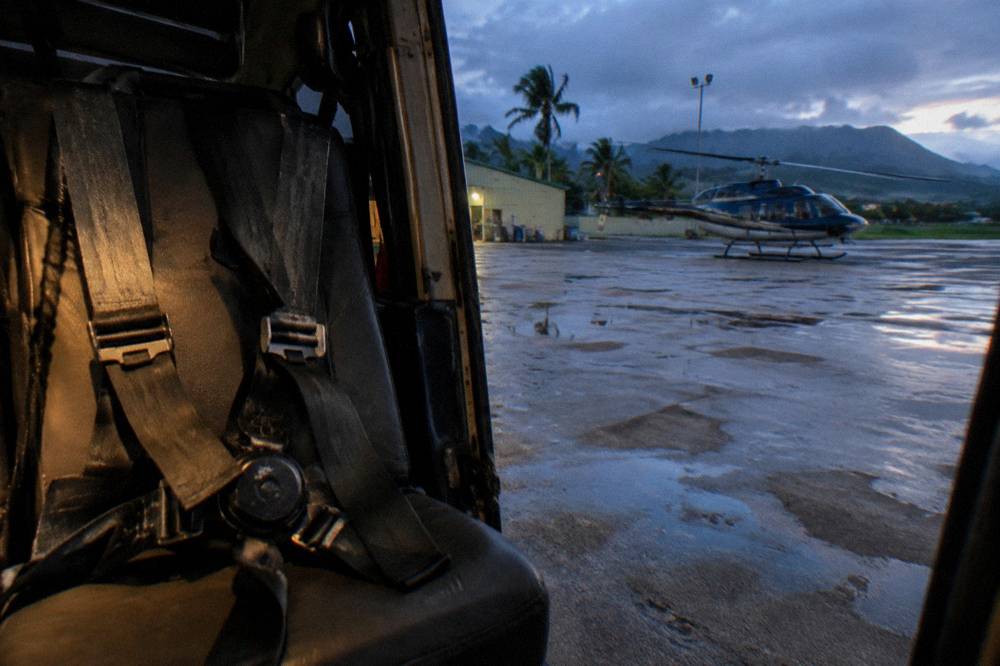
The doors-off listings on this roster are explicit about their rules. The Air Kauai doors-off adventure supplies goggles, allows only a lanyarded phone on board, and sets a minimum age of 10, rising to 16 for an outside or edge seat. The Jack Harter MD500 doors-off flights set the same age of 10 and the same harness arrangement. The private doors-off options, Ali'i's Ultimate Waterfalls flight and Mauna Loa's all-window-seat flight, both set a minimum age of 7 with conditions, and both cap individual passenger weight at 275 lb. Every one of these is a published, checkable rule, which is the pattern this whole article recommends you look for.
The private format deserves a word in the safety context, not just the comfort one. A private doors-off flight, with no strangers in the cabin and nobody in a middle seat, means the operator knows exactly who and what weight is going aboard, and the passenger briefing covers your group alone. The Ali'i flight carries a 5.0 rating from 1,794 reviews, and one guest review calls it a once-in-a-lifetime experience with an attentive guide. That is comfort evidence, not safety evidence, and this site does not present it as the latter.
The honest comparison point with cars is control again. A doors-off flight feels more exposed because the passenger can see the exposure, but the actual restraint system is stronger than a car's lap-and-shoulder belt, and the person operating the machine does it for a living under federal rules. Familiarity is not safety, and visibility of risk is not risk. The reverse also holds: a car's enclosed cabin hides its exposure, which is one reason the question in this article's title produces such confident and opposite answers from different people.
The Bottom Line For A Reader Deciding
Treat the question as unanswerable with a number and answerable with a process: choose an established operator, read its weather and weight policies, take a morning slot, and accept that a tour flight concentrates risk into one professionally managed hour while a drive spreads it across your own hands. A reader who does those four things has done everything available to them, on either the flight or the drive, and no aggregate statistic would change any of it.
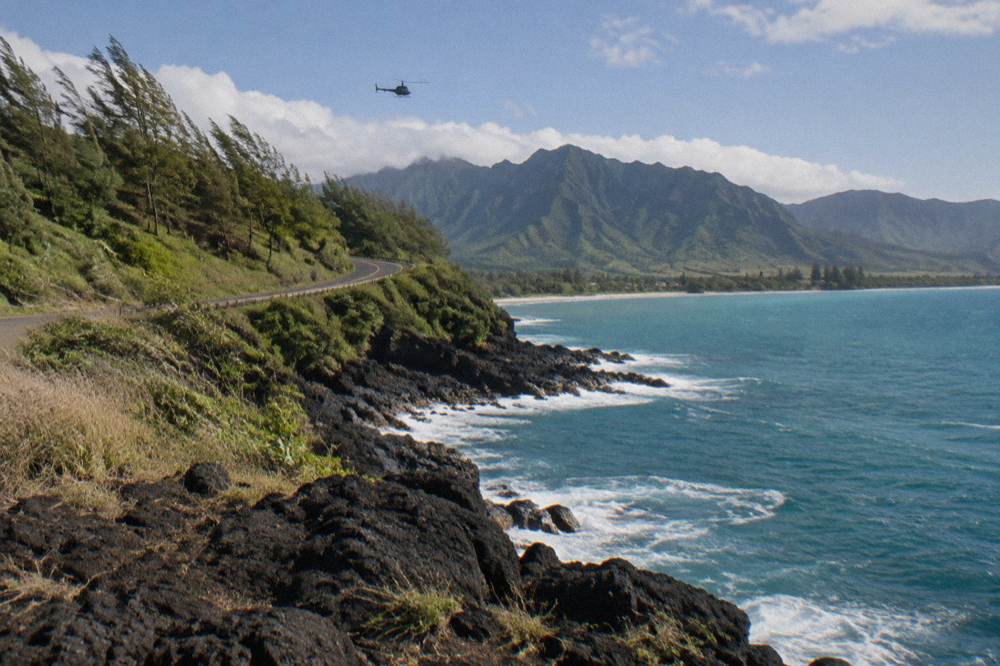
For most visitors the practical resolution is that the two activities are not substitutes. Kauai's signature sights, the Na Pali Coast, Waimea Canyon's 14-mile gorge up to 3,600 feet deep, and the 400-foot Manawaiopuna Falls on private land with no public trail, are seen either from the air or not at all in a single trip, and after Hurricane Lowell the ground-access picture around several of them follows DLNR notices. The 50-minute shared eco flight from Lihue, the most-reviewed tour on this roster with a 4.8 rating from 2,065 reviews, is the listing most first-time visitors compare against a day of driving, and its guests' reviews describe a smooth flight with strong narration. One guest review calls it the highlight of a Hawaiian holiday.
If the nervousness is about the unknown, the antidote is specificity, and this site exists to supply it: the doors-on versus doors-off decision, the weight and seat rules by operator, and the full guide to the best helicopter tour on Kauai for comparing listings side by side. Each listing states its own policies, so read the page for the tour you plan to book and confirm the exact terms that apply. That is the same standard this article has tried to hold: no invented statistics, no false comfort, and no claim about safety that the record does not support. That same discipline extends to other passenger questions, including whether you can fly while expecting, and the guide to taking a helicopter tour while pregnant shows what the listings actually say.
Whatever you decide, book with the free-cancellation listings and keep the 24-hour window in mind, so a weather call by the operator costs you nothing but a reschedule. And if the question in this title still nags, read the operator's own FAQ before the booking page; the companies that explain their cancellation, weight and harness rules in plain language are the ones whose flights are easiest to say yes to.
Common Questions About Helicopter Ride Safety
Is A Helicopter Ride Safer Than A Car Ride?
This site does not answer that with a statistic, because an honest comparison is qualitative. A Kauai air tour concentrates the risk into one professionally flown, federally regulated flight with weather cancellation built in; a drive spreads risk across your own decisions over hours. Neither is objectively milder, and the useful move is choosing a solid operator and a morning slot.
What Rules Cover Kauai Helicopter Tours?
Hawaii air tours fly under 14 CFR Part 136 Subpart D, which sets a 1,500 foot minimum altitude, requires flotation gear beyond the shore, a performance plan before every flight and a ditching briefing, on top of the FAA Part 135 certification most operators hold. A car trip has no equivalent regulatory layer.
Do Passengers Get Weighed On Kauai Helicopter Tours?
Yes. Operators weigh passengers at check-in to verify weight and balance against FAA requirements, and each listing publishes its own thresholds, for example an extra seat over 250 lb on the Safari listings or over 230 lb on the Air Kauai doors-off flight.
Are Doors-Off Flights More Dangerous?
They are regulated more strictly, not less: passengers wear a 5-point harness anchored to the airframe in addition to the seat belt, and the listings print minimum ages, 10 on the Air Kauai and Jack Harter doors-off flights. Whether the open cabin is acceptable is a personal comfort call rather than a statistical one.
What Happens If The Weather Is Bad?
Every listing on this roster offers free cancellation up to 24 hours before the start time, and the operators state that weather cancellations are rescheduled or refunded. An operator willing to cancel a marginal forecast is doing exactly the safety work this article recommends trusting.
Can I Check An Operator's Safety Record Myself?
Partly, yes. Read the operator's FAQ for its weather, weight and harness policies, check that it names its aircraft, and look at how its reviews describe the flight. The FAA and NTSB publish incident reports for Hawaii air tours, and this site reports the documented Kauai events factually rather than hiding them.